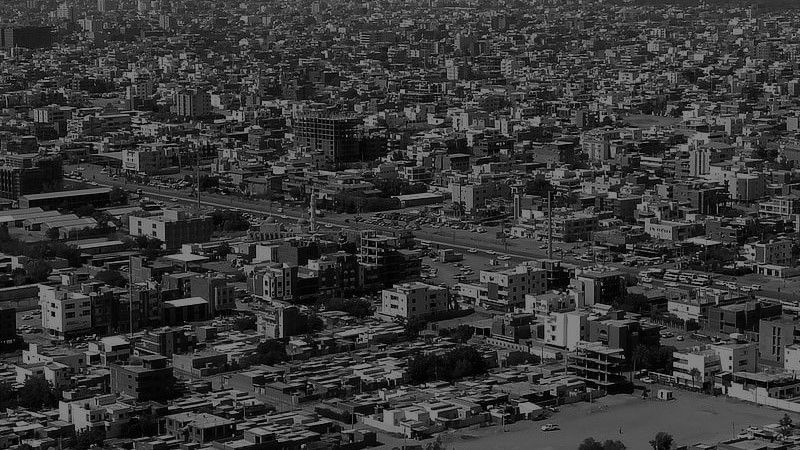
Housing The Urban Poor in Khartoum City: Rethinking current policies and practices
Academic Paper
The urban poor of Khartoum city struggles to access adequate housing which can maintain proper livelihood for them. The majority of urban poor still lives in slum conditions and informal settlements; facing on-going risks such as vulnerability to climate change hazards in rainy season, experiencing higher rate of diseases due to lack of adequate infrastructure, being exposed to arbitrary forced eviction actions by local government authorities that lacks appropriate relocation mechanism approaches and being victims of crimes due to absence of public authorization patterns. On the other hand, the local government officials have not yet come up with appropriate policies that can increase the urban poor accessibility to adequate housing, the right to adequate housing have not been constitute in all national and local legislations. As well, the policies and frameworks have not taken the local human, social, physical, natural capitals into consideration, this is obviously noted in the housing process and outcomes; as the majority of urban poor are excluded from being a part of housing policies and plans, and their local assets are being neglected from housing planning process. So, most of urban poor are excluded from accessing adequate housing, and at the same time, most of public housing projects are not fit with the socio-economic life of urban poor. Above all these trends, Khartoum city are facing high rate of urbanization that challenges the local government officials to come up with appropriate policies that build up urban poor capacities, facilitate the accessibility to adequate housing, and create a well structured platforms for best utilization of local resources and capitals. This study will examine all issues associated with current housing policies and practices taking place in Khartoum city such as urbanization, growing of slums, land, forced eviction and housing finance, all these issues are critically broken-down into many social, economic, legislation and natural factors for the sake of delivering alternative policies that can maximize the accessibility to adequate housing.
 KHALAFALLA OMER